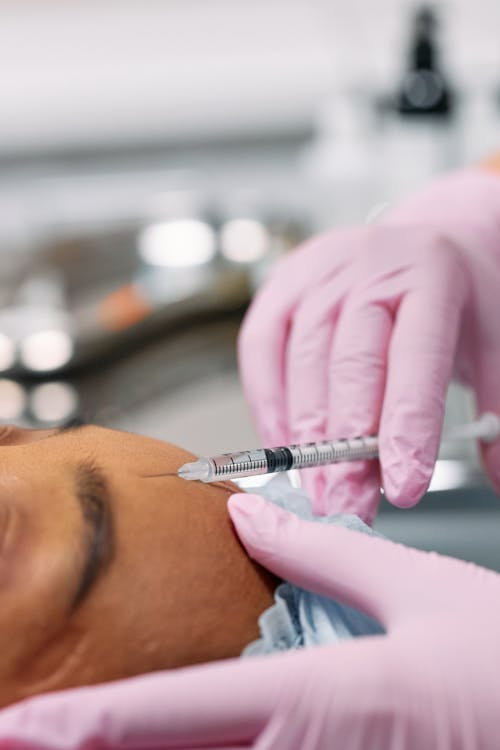
Facial expressions are an important part of everyday communication, but repeated movements can gradually contribute to visible lines and wrinkles. Smiling, laughing, frowning, and raising the eyebrows cause facial muscles to contract, eventually creating creases that may remain noticeable even when the face is relaxed. For individuals looking to soften these signs of ageing, Botox in Waterloo has become a popular non-surgical cosmetic treatment. It can help reduce the appearance of expression lines while maintaining a refreshed and natural-looking facial appearance.
Botox treatments are commonly used to address forehead lines, frown lines, and crow’s feet around the eyes. These areas are particularly susceptible to dynamic wrinkles caused by repeated muscle movements. Understanding how Botox works, which areas it can treat, and what to expect from the procedure can help individuals make informed decisions about their aesthetic goals.

How Does Botox Work to Reduce Facial Wrinkles?
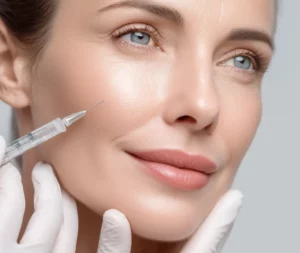
Botox is a purified form of botulinum toxin type A that temporarily reduces activity in targeted facial muscles. When injected in carefully selected areas, it blocks nerve signals responsible for muscle contractions, allowing the treated muscles to relax. As these muscles become less active, the overlying skin appears smoother, reducing the visibility of expression-related wrinkles.
Unlike surgical cosmetic procedures, Botox does not require incisions or extensive recovery periods. The treatment typically involves a series of small injections administered by a qualified medical practitioner. Results generally begin appearing within three to five days, with the full effect becoming visible after approximately two weeks.
People considering Botox in Waterloo often appreciate its ability to address specific facial concerns without dramatically changing their appearance. The objective is usually to soften unwanted lines while preserving natural expressions and facial balance.
How Can Botox Treat Horizontal Forehead Lines?
Forehead lines are among the most common early signs of facial ageing. These horizontal wrinkles develop when the frontalis muscle repeatedly contracts while raising the eyebrows. Over time, the skin gradually loses elasticity, making these lines more noticeable even when facial muscles are relaxed.
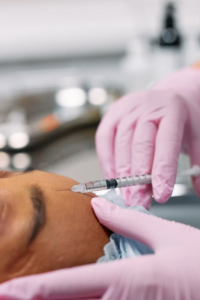
Botox injections can temporarily reduce excessive muscle activity in the forehead, helping smooth horizontal creases and create a more rested appearance. Treatment is carefully planned according to the individual’s facial anatomy, muscle strength, and existing wrinkle patterns.
An experienced injector considers the relationship between the forehead muscles and eyebrow position before administering treatment. Excessive relaxation of these muscles can cause unwanted eyebrow heaviness, making accurate placement and appropriate dosing particularly important.
Although Botox can improve dynamic forehead wrinkles, deeper lines that remain visible at rest may require additional treatments or a combination approach to achieve the desired improvement.
Can Botox Reduce Frown Lines Between the Eyebrows?
Frown lines, also called glabellar lines or the “11 lines”, appear vertically between the eyebrows. They develop through repeated contractions of muscles involved in frowning, concentrating, or squinting. These wrinkles can sometimes create an unintentionally tired, tense, or serious facial expression.
Botox is frequently used to soften moderate to severe frown lines by temporarily relaxing the muscles responsible for their formation. The treatment targets specific muscles between the eyebrows, reducing their ability to pull the skin into deep vertical creases.
For many individuals, treating this area helps create a softer and more approachable appearance without eliminating normal facial movement.
Frown line treatment is particularly popular because it focuses on a relatively small facial area while potentially producing noticeable cosmetic improvements. However, results vary depending on wrinkle depth, muscle activity, and individual skin characteristics.
How Does Botox Improve Crow’s Feet Around the Eyes?
Crow’s feet are fine lines that extend outward from the corners of the eyes. They commonly become visible when smiling or squinting and may gradually deepen with age. Factors such as sun exposure, reduced collagen production, and repeated facial movements can contribute to their development.
Botox treatments around the outer eye area work by temporarily relaxing portions of the orbicularis oculi muscle responsible for creating these expression lines.
By reducing excessive muscle contractions, Botox can soften the appearance of crow’s feet and help the surrounding skin look smoother. The aim is to preserve a natural smile while minimising unwanted creases.
Because the eye area contains delicate structures, precise injection techniques and a thorough understanding of facial anatomy are essential. A qualified injector will assess muscle movement and facial symmetry before recommending treatment.

What Other Facial Areas Can Botox Help Improve?
Although forehead lines, frown lines, and crow’s feet are the most frequently treated cosmetic concerns, Botox may also be considered for other facial areas.
Depending on the product, clinical assessment, and applicable Canadian authorisations, practitioners may use botulinum toxin injections to address selected concerns such as bunny lines across the nose, a dimpled chin, downturned mouth corners, or vertical neck bands.
Some individuals also enquire about Botox for a gummy smile or excessive jaw muscle activity. These applications may be off-label and require careful evaluation of the potential benefits, limitations, and risks.
Not every facial wrinkle responds equally well to Botox. Lines caused primarily by skin laxity, volume loss, or sun damage may benefit more from other cosmetic approaches.
A personalised consultation helps determine whether Botox is appropriate for a particular concern.
What Should You Expect During a Botox Appointment in Waterloo?
A Botox appointment generally begins with a consultation to discuss aesthetic goals, medical history, previous cosmetic procedures, and potential treatment risks.
The practitioner examines facial movements, muscle activity, skin condition, and facial symmetry to develop an individualised treatment plan.
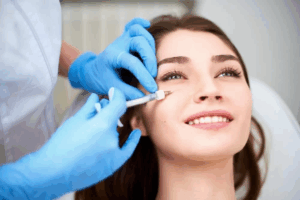
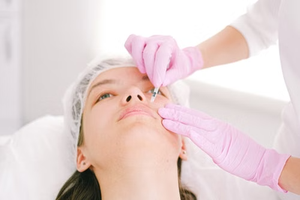
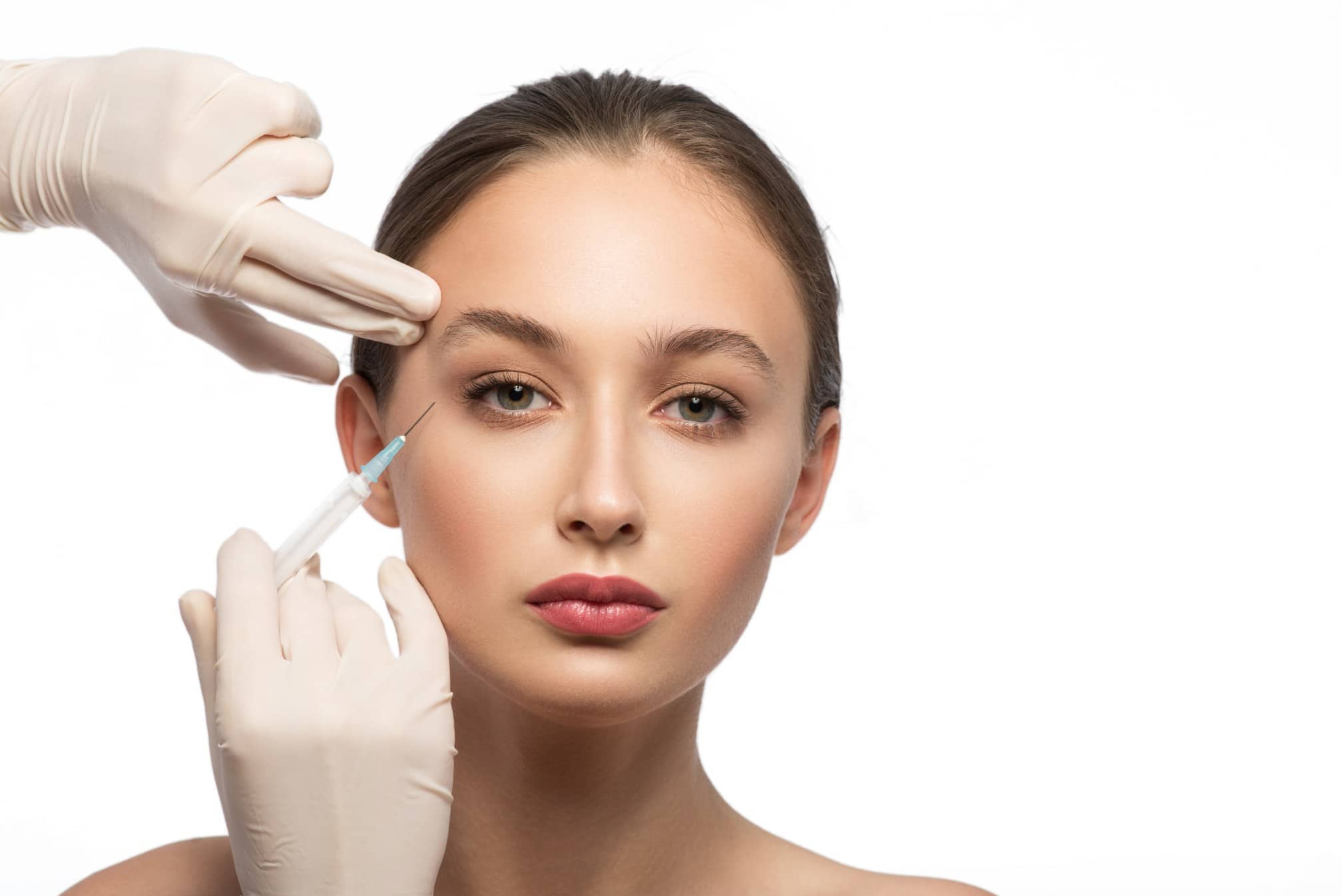
During the procedure, small quantities of Botox are injected into selected muscles using a fine needle. The process is usually completed within approximately 10 to 20 minutes, depending on the number of areas being treated.
Most patients experience only brief discomfort, although temporary redness, tenderness, swelling, or bruising may occur around injection sites.
There is typically little downtime, allowing many individuals to return to their usual activities shortly afterwards. Patients should follow their injector’s specific aftercare instructions and avoid rubbing or massaging treated areas immediately after the procedure.
Final Thoughts
Botox offers a non-surgical option for reducing the appearance of expression-related wrinkles, particularly horizontal forehead lines, vertical frown lines, and crow’s feet. By temporarily relaxing selected facial muscles, it can create a smoother and more refreshed appearance while preserving natural expressions when administered appropriately.
For anyone considering Botox in Waterloo, understanding the treatment process, realistic results, and potential risks is an important first step. A personalised consultation with a qualified medical practitioner can help determine the most suitable approach for achieving balanced, natural-looking facial rejuvenation.