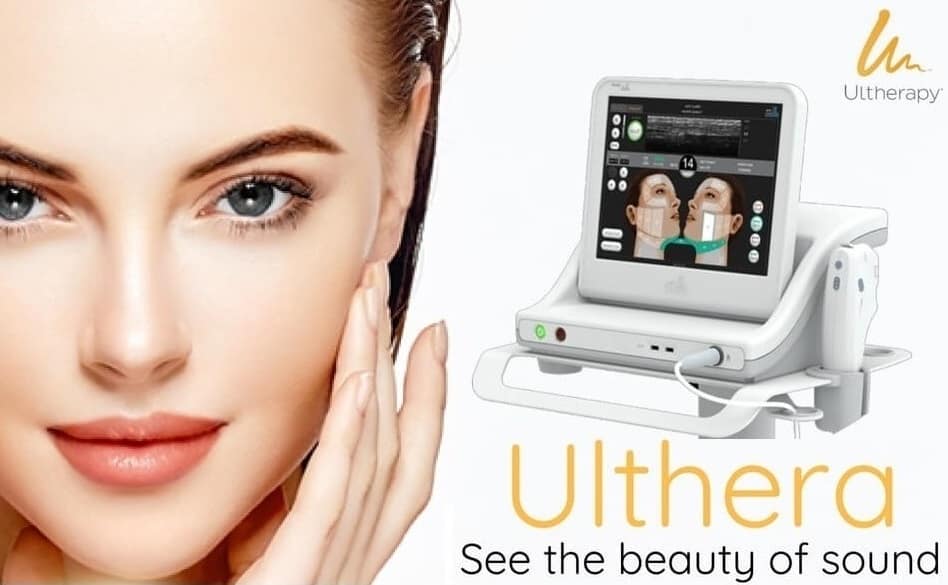
...

Ultherapy® vs Radiofrequency Skin Tightening: Which Treatment Is Right for You?

Skin laxity can show up as softer jawline definition, loose skin under the chin, fine lines, or an overall loss of firmness. For patients comparing Ultherapy vs RF skin tightening, the better choice often comes down to treatment depth, the type of energy used, and the kind of change they want to see. Both options support collagen stimulation, but they work in different ways.

How do Ultherapy® and radiofrequency skin tightening differ when choosing a treatment?

Ultherapy® uses focused ultrasound energy to reach deeper tissue layers and support gradual lifting through collagen stimulation, while radiofrequency treatments use controlled heat to improve firmness and, depending on the device, skin texture. The better option depends on the degree of skin laxity, treatment area, desired results, and the specific radiofrequency technology being considered.

How Ultherapy® and Radiofrequency Work Differently

Ultherapy® uses focused ultrasound energy delivered beneath the skin at precise depths. The controlled thermal response encourages the body to produce and reorganize collagen over time. Because the outer skin is not resurfaced, treatment is centered on lifting and tightening rather than correcting pigment or surface texture.

Radiofrequency treatments use electrical energy to generate heat within targeted tissue. The exact depth depends on the RF device. Some systems work through the skin surface, while others combine radiofrequency with microneedling to place energy deeper into the dermis.

Where Ultherapy® May Have an Advantage

One of the recognized Ultherapy benefits is its ability to direct ultrasound energy toward deeper support layers without an incision. This can make it a useful option for patients whose main concern is mild to moderate laxity around the lower face, jawline, neck, or brow area.

Ultherapy® is often considered by people who want improvement but are not ready for surgery. It is commonly discussed as a non-surgical facelift because it is designed to support gradual lifting and tightening through collagen renewal rather than surgical removal of excess skin.

Ultrasound imaging also allows the provider to visualize tissue during treatment and place energy at planned depths. For patients seeking Ultherapy Waterloo or Ultherapy Kitchener, this may be relevant when deeper laxity is the main concern rather than surface-level changes.

Where Radiofrequency May Be the Better Fit

Radiofrequency can be useful when the priority is broader skin firming, dermal remodeling, or texture improvement depending on the device. Some RF systems suit early laxity, while RF microneedling may also be selected when texture, enlarged pores, or acne scarring are part of the plan.

A person considering a skin tightening treatment should ask which RF device is being recommended, how deeply it works, and what concern it is expected to address. That information is more useful than treating RF as a single standardized procedure.

5 Factors to Compare Before Choosing a Treatment

The choice between Ultherapy® and RF becomes clearer when you compare these factors:

  1. Primary concern: Ultherapy® may be a better match for deeper laxity and lifting, while RF may be selected for firming or texture depending on the device.
  2. Treatment depth: Focused ultrasound can reach deeper tissue, while RF depth varies by platform.
  3. Number of sessions: Ultherapy® is often performed in one treatment, while many RF protocols involve several sessions.
  4. Recovery preferences: Both avoid surgical incisions, but temporary redness, swelling, tenderness, or sensitivity can differ.
  5. Expected degree of change: Neither option should be positioned as equal to a surgical facelift for significant laxity.

Skin thickness, previous procedures, treatment area, and the amount of laxity should also shape the recommendation.

What Results Develop After Treatment?

Neither Ultherapy® nor RF should be judged only by what the skin looks like immediately afterward. Much of the improvement develops as new collagen forms and existing collagen fibers reorganize.

With Ultherapy®, changes are generally gradual and may become more noticeable over the following months. RF treatments also rely on thermal remodeling, although the pace can vary based on the device, intensity, and number of sessions.

This is where collagen stimulation becomes central to the decision. These treatments tend to suit people who are comfortable with progressive, moderate improvement rather than an immediate or dramatic change.

Which Option Makes More Sense for Your Goals?

Ultherapy® may be the stronger choice when deeper lifting is the main objective and the patient prefers an ultrasound-based procedure that is commonly performed in one session. RF may be more suitable when treatment goals include broader skin firming, texture improvement, or a protocol delivered across several appointments.

The decision should be based on the treatment area, the depth of the concern, the specific device being considered, and the amount of improvement that can reasonably be expected. Age alone does not determine which option is better.

Sunshine Cosmetic Clinic & Medi Spa Ultherapy Waterloo and Kitchener ON

Sunshine Cosmetic Clinic & Medi Spa has provided Ultherapy® in the Kitchener-Waterloo area since 2017. Our clinic offers the treatment for patients interested in facial and neck tightening without surgical lifting and uses focused ultrasound energy to target deeper tissue.

Patients searching for Ultherapy Waterloo ON or Ultherapy Kitchener ON can consult with the clinic about concerns such as lower-face laxity, reduced jawline definition, loose skin beneath the chin, and age-related loss of firmness. Sunshine Cosmetic Clinic & Medi Spa states that it was the first authorized Ultherapy® provider in Waterloo and has treated hundreds of patients with the technology since introducing it to the practice.

A consultation with our team allows us to assess the degree and location of laxity, determine if Ultherapy® is appropriate, and explain how its expected results compare with other non-surgical options.

Book Your Ultherapy Consultation Today.

Frequently Asked Questions

Is Ultherapy® Better Than Radiofrequency for Skin Tightening?

Ultherapy® may be better for deeper lifting concerns, while radiofrequency may be better suited to general firming or texture depending on the device.

How Long Does It Take to See Ultherapy® Results?

Ultherapy® results usually develop gradually over several months as collagen remodeling progresses.

Does Radiofrequency Skin Tightening Require More Than One Treatment?

Many RF treatment plans involve a series of sessions, although the exact number depends on the device and the patient’s goals.
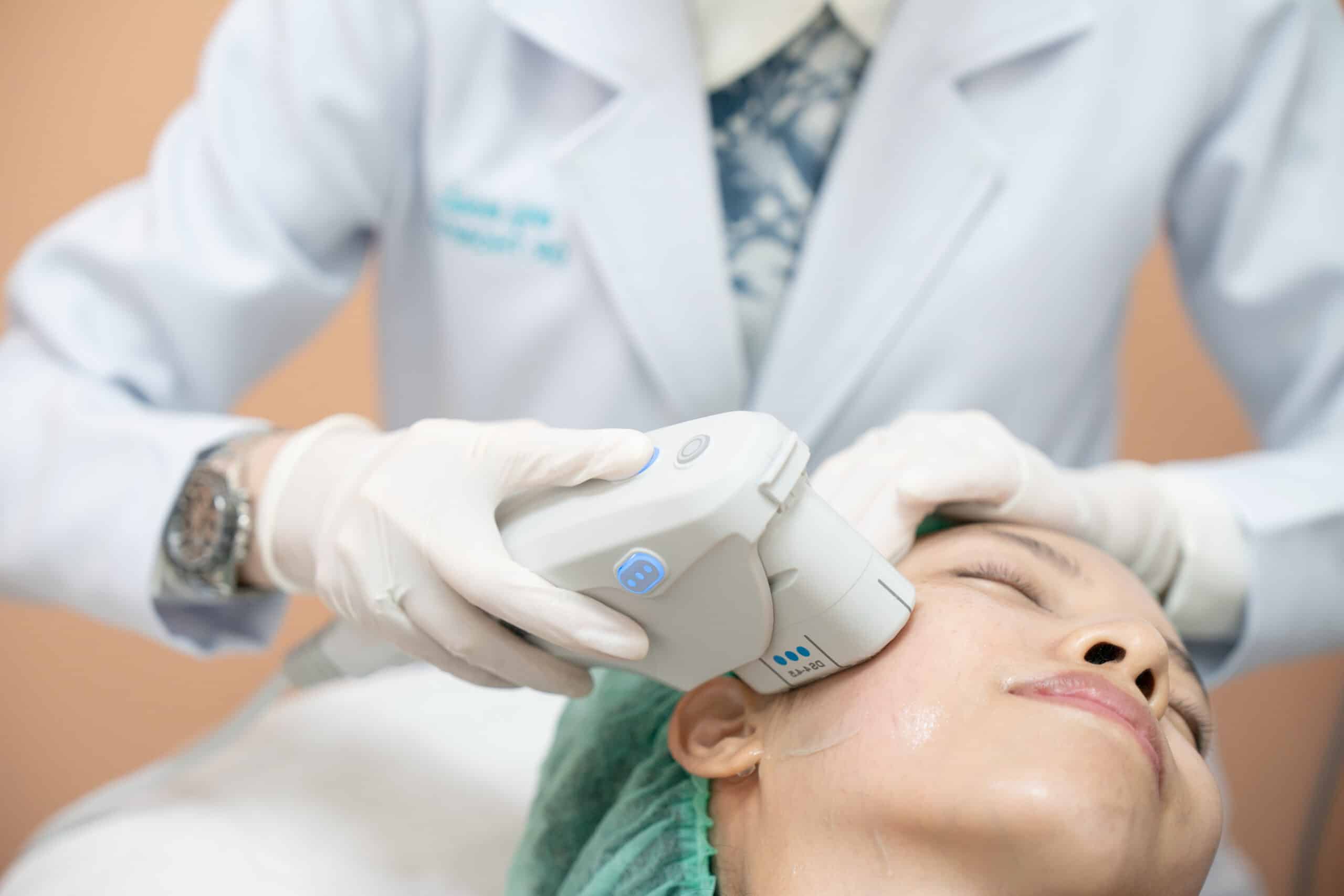
Ultherapy vs. Thermage: What is the difference?

Ultherapy and Thermage are two popular non-invasive skin tightening treatment options that offer remarkable results. Both treatments utilize advanced technology to stimulate collagen production and improve skin firmness and elasticity. However, there are key differences between Ultherapy and Thermage to consider when choosing the right option for skin tightening. In this blog, we’ll explore the difference between Ultherapy and Thermage to help you make an informed decision.

1. Ultherapy:

Ultrasound Technology: Ultherapy utilizes focused ultrasound energy to stimulate collagen
production deep within the skin&layers. This energy penetrates the dermis and targets the
foundational tissues, triggering a natural regenerative process.
Skin Lifting and Tightening: The primary objective of Ultherapy is to lift and tighten sagging skin, particularly on the face, neck, and décolletage. It can effectively address mild to moderate skin laxity and restore a more youthful contour.
Long-Lasting Results: Patients typically experience gradual improvements in skin firmness and
texture over several months following the treatment. Ultherapy results are long-lasting, with
optimal outcomes becoming noticeable within 2 to 3 months and continuing to improve for up to 6 months.

2. Thermage:

Radiofrequency Technology: Thermage relies on radiofrequency (RF) energy to heat the deeper layers of the skin and stimulate collagen production. The controlled heating action targets specific areas of concern, such as fine lines, wrinkles, and laxity.

Skin Smoothing and Tightening: Thermage is used for tightening the skin, reducing the
appearance of wrinkles, and promoting overall skin rejuvenation. It can be used on various areas of the face and body, including the eyelids, abdomen, and thighs.

Gradual Results: While some patients may notice the effects after Thermage treatment, the full
results develop gradually over several months as collagen remodeling occurs. Results can last for
up to 1 to 2 years, depending on an individual’s skin characteristics and skincare routine.

Why Choose Ultherapy for Superior Skin Tightening Results?

Ultherapy stands out as a superior option for non-invasive skin tightening due to its precision
targeting, customizable treatment depth, minimal downtime, and long-lasting results. Unlike
Thermage, which may require multiple sessions for optimal outcomes, Ultherapy typically achieves noticeable improvements in just one session.
Ultherapy offers the flexibility to adjust the depth of treatment based on each patient & unique
needs and skin condition, ensuring personalized results. Furthermore, Ultherapy stimulates the
body natural collagen production process, leading to gradual and long-lasting improvements in
skin laxity and firmness.
With minimal downtime and results that can last up to a year or more, Ultherapy provides patients with a convenient and effective solution for achieving tighter, more youthful-looking skin.

Benefits of Ultherapy for Skin Tightening

1. Non-Invasive and Non-Surgical:

● Ultherapy offers a non-invasive alternative to surgical facelift procedures, making it suitable
for individuals who prefer to avoid surgery or have mild to moderate skin laxity.
● The treatment requires no incisions or downtime, allowing patients in Waterloo, Kitchener
to resume their daily activities immediately after the session.

2. Customized Treatment Plans:

● Each Ultherapy session can be customized to target specific areas of concern, such as the
brow, chin, and neck, based on the patient& unique aesthetic goals and skin condition.
● You can achieve personalized results that enhance their natural beauty and confidence by
tailoring the treatment to address individual concerns.

3. Natural-Looking Results:

● Ultherapy stimulates the body’s natural collagen production process, resulting in gradual
improvements in skin firmness and tightness over time.
● You can enjoy natural-looking results that appear refreshed and rejuvenated, without the
need for artificial fillers or injectables.

Choosing Ultherapy for Skin Rejuvenation in Waterloo,Kitchener

1. Consultation and Evaluation:

● Schedule a consultation before undergoing Ultherapy treatment.
● During the consultation, the provider will assess the patient& skin condition, discuss their
aesthetic goals, and recommend a personalized treatment plan tailored to their needs.

2. Professional Expertise and Experience:

● Choose a reputable med spa with experience in administering Ultherapy treatments.
● Patients should research Ultherapy treatment providers in Waterloo, Kitchener, read reviews, and inquire about the qualifications and training of the medical staff to ensure a
safe and effective treatment experience.

3. Long-Term Skin Maintenance:

● While Ultherapy delivers long-lasting results, ongoing skin maintenance is essential to
preserve and optimize the outcomes.
● Patients should follow a comprehensive skincare routine, protect their skin from sun
damage, and consider periodic maintenance sessions as recommended by their provider to
prolong the benefits of Ultherapy.

Conclusion

By opting for Ultherapy in Waterloo, Kitchener, individuals can address skin laxity and achieve natural-looking rejuvenation without the need for surgery or downtime. With personalized treatment plans and professional expertise, individuals can enjoy firmer, tighter skin and renewed confidence in their appearance. Ready to experience the rejuvenating benefits of Ultherapy? Contact Sunshine Cosmetic Clinic & Medi Spa in Waterloo,Kitchener today to schedule a free Ultherapy consultation and learn more about we can help you achieve smoother and tighter skin without surgery.

Ultherapy vs. Sculptra: How Are They Different?

With age, signs like wrinkles, fine lines, and sagging start appearing not only on the face but also on other parts of our bodies.  While there are multiple anti-aging treatments available, the two most popular options are Ultherapy and Sculptra. 

Both Ultherapy and Sculptra treatments are designed to address the signs of aging, they are quite different in terms of the approach they use and the result they offer. Today, we will explore the key differences between Ultherapy and Sculptra to help you get the best out of these treatments.

What Is Ultherapy?

Ultherapy is a non-invasive, FDA-approved anti-aging treatment based on ultrasound technology. Since it works by stimulating collagen production, it results in a natural lift and lightening effect. 

You can choose Ultherapy to lift and tighten the skin in multiple body areas, including the face, neck, and décolletage areas. This treatment is suitable for individuals with mild to moderate skin laxity.

What is Sculptra?

Sculptra is a biostimulator that is used to add volume and stimulate collagen production. Sculptra is made from a synthetic compound called poly-L-lactic acid (PLLA). PLLA is a biocompatible substance that is gradually absorbed by the body. 

As your body absorbs this injectable filler, it triggers your body’s natural collagen production. Hence, it results in a plumper, more youthful appearance. 

This treatment is best for those who need to treat deep wrinkles, hollow cheeks, and other signs of facial volume loss.

Key Differences Between Ultherapy and Sculptra

Approach:

Ultherapy is a non-invasive procedure that is carried out using a specialized device that uses ultrasound waves to treat the deeper layers of your epidermis (skin). 

On the other hand, Sculptra is a minimally invasive procedure delivered using a dermal filler injection that contains poly-L-lactic acid (PLLA). 

Target Results:

Ultherapy focuses on lifting and tightening the skin. It leverages your body’s natural healing process and uses ultrasound waves to stimulate the deep structural support layers beneath your skin’s surface. This results in producing fresh and new collagen, which ultimately lifts and tightens your skin.  That’s why it is mainly used when you wish to get rid of fine lines and mild wrinkles. 

On the other hand, Sculptra aims to add more volume to your skin that you slowly lose with age. The PLLA substance in Sculptra filler helps stimulate collagen production and provides long-lasting, natural-looking results that can last up to 2 years.

Longevity:

The results of both Ultherapy and Sculptra can last up to two years. However, Sculptra treatment requires a series of injections over several months to achieve the best results. Ultherapy, on the other hand, needs only one session to achieve its full effects.

Cost:

The cost of Ultherapy and Sculptra is also significantly different. Ultherapy is typically more expensive than Sculptra because it is a non-invasive treatment that uses advanced ultrasound technology. Sculptra, on the other hand, is a kind of dermal filler that is injected into the skin, and its cost is based on the number of vials used.

To conclude, Ultherapy and Sculptra offer good anti-aging results; however, when they are combined, they can deliver the most impressive results. So, if you are concerned about skin laxity and volume loss, book a consultation appointment to find and get the best anti-aging treatment for you. 

Ultherapy – A Revolutionary Skin Tightening Solution to Attain Youthful Look

Would like to find a quick and safe solution for anti-aging or skin tightening? Today we will talk about a non-surgical, non-invasive solution that helps you stay young for longer.

Ultherapy – A Perfect Solution for Skin Tightening

Thanks to the advancing pace of technology in the cosmetic industry, Ultherapy (or Ulthera) is now available for you to hide your age or prevent you from looking aged. Ultherapy is a non-surgical and non-invasive treatment that can help you achieve tighter skin not only on your face but also neck, chest, decolletage, and along the jawline. It is a much better alternative to laser skin tightening solution because the latter technology only targets the surface layer of the skin.

Besides, you can go for Kitchener Ulthera treatment without any worries because this treatment is FDA approved to make corrections in the deeper foundational layers with the aid of ultrasound technology.

With this particular treatment, you will be able to enjoy the ultimate refreshed and young look within minimal time.

Comparative Study between Ultherapy and Thermage

Thermage is a technology that uses radio frequency for the treatment. On the other hand, Ultherapy makes use of ultrasound technology.

When a comparison is made between Ultherapy and Thermage, Ultherapy wins the race. While Thermage works by heating and penetrating the skin surface to reach deep layers, Ultherapy targets only foundational layers without damaging the surface.

Once ultrasound energy reaches the deeper layers, it responds by producing collagen which is an essential protein responsible for skin elasticity and strength.

As a result, Ultherapy triggers the skin to continue to improve and heal over the next several months as the collagen production takes place. This, ultimately, results in less number of wrinkles, tight and bouncy skin, and improved skin texture.

Therefore, Kitchener Ulthera is considered to be the most favorable solution as a non-surgical skin tightening treatment.

What does or does not include in Ultherapy Treatment

With the aid of Ultherapy treatment, an individual can achieve youthful and beautiful skin without undergoing the sufferings of needles, knives, or lasers.

This treatment takes around 45 to 60 minutes to begin the gradual process of skin restoration. While some improvement can be noticed immediately after the treatment, a major impact will be apparent within three to six months

Since this treatment works with the deeper layer of skin and involves the collagen production, you enjoy the benefit of this treatment for a long time. Even though it does not stop the aging process, touch-up solutions may be needed every two to three years.

The biggest advantage of availing Kitchener Ulthera is that there is no downtime and damage to the skin.

Dermal Filler

Sign Up For This Super Deal Now!

*Applied to new clients only