[elementor-template id="19770"]

Is HydraFacial Safe for All Skin Types? Here’s What You Need to Know

Are you struggling with oily skin, dryness, or uneven texture? Do you even wonder if there’s a solution that works for your unique needs?

Choosing the right facial treatment can feel overwhelming, especially with so many options available. This blog dives deep into how HydraFacial addresses a variety of skin concerns. We will also provide you with information on why it’s considered safe for nearly everyone, helping you make an informed decision.

Understanding HydraFacial and How It Works

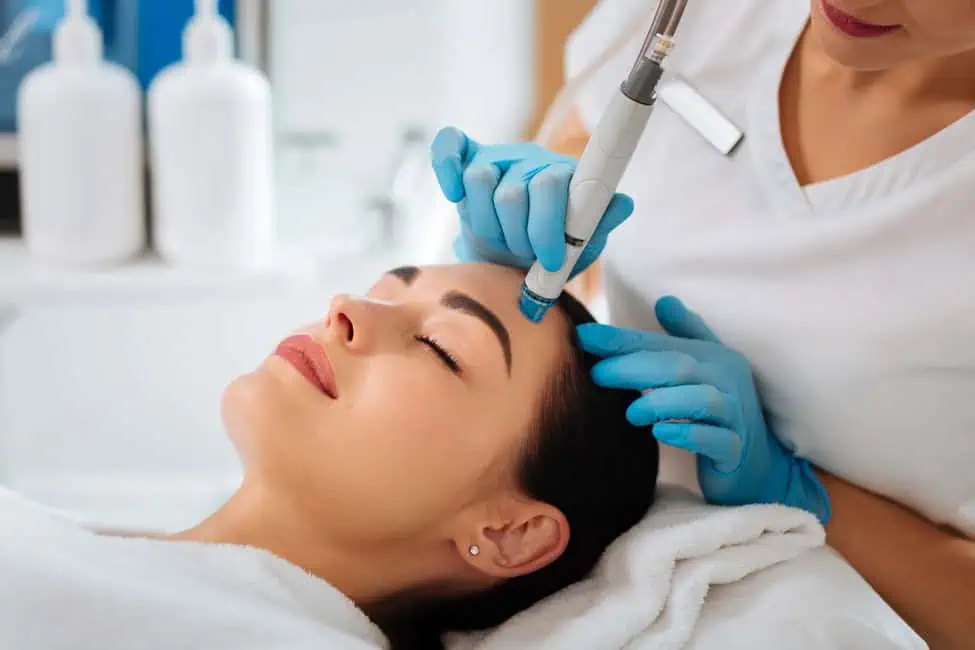
HydraFacial is a non-invasive skincare treatment designed to cleanse, exfoliate, extract impurities, and infuse nourishing serums into the skin, all in one session. The patented Vortex-Fusion technology ensures that the skin receives deep cleansing. Also, it simultaneously delivers antioxidants, peptides, and hydrating solutions.

The process typically involves three key steps:

  • Cleansing and Exfoliation: Removes dead skin cells and impurities to reveal fresh, new skin underneath.
  • Extraction: Painlessly suctions out dirt and oil from clogged pores.
  • Hydration: Infuses the skin with antioxidants and hydrating serums to protect and rejuvenate the skin.

The result is a smoother, more even complexion with immediate improvements in skin tone and texture.

HydraFacial Benefits for All Skin Types

One of the key reasons HydraFacial benefits for all skin types is its adaptability to various skin needs. Let’s explore how this versatile treatment works wonders across different skin types:

Oily Skin

Contrary to popular belief, oily skin benefits greatly from hydration. When your skin lacks proper moisture, it compensates by overproducing oil. This eventually leads to a greasy complexion and clogged pores. 

HydraFacial deeply cleanses and exfoliates oily skin while infusing it with hydration. In turn, it balances oil production and reducing persistent shine.

Dry Skin

Dry skin often suffers from a dull, flaky appearance. This is due to the buildup of dead cells. HydraFacial gently removes this superficial layer. 

The treatment even allows hydrating serums, particularly those containing hyaluronic acid, to deeply nourish the skin. This effect replenishes moisture levels and restores a soft, radiant glow.

Combination Skin

Patients with combination skin know the struggle of managing oily zones alongside dry areas. The good news is that HydraFacial is a completely customizable approach. It allows targeted treatment, ensuring that dry areas receive hydration while oily regions are effectively cleansed and balanced.

Sensitive Skin

Sensitive skin often reacts to harsh treatments, but HydraFacial’s gentle exfoliation and infusion of soothing serums make it a safe option. By reducing inflammation and strengthening the skin’s barrier, it alleviates common concerns like redness and irritation.

Acne-Prone Skin

HydraFacial is a game-changer for those dealing with breakouts. It deeply cleanses pores, removes impurities, and infuses customized acids that combat acne-causing bacteria. By promoting collagen production and cellular renewal, this FDA-approved procedure can also help reduce the appearance of acne scars.

Aging Skin

As we age, our skin requires extra hydration and antioxidant protection to maintain its elasticity and smoothness. HydraFacial delivers peptides and antioxidants that minimize fine lines and boost collagen production, enhancing skin firmness and texture.

This tailored approach ensures that every skin type receives the specific care it needs, solidifying HydraFacial as a universal treatment option.

HydraFacial and Skin Conditions: What Can It Address?

HydraFacial isn’t just a general skincare treatment; it’s also highly effective in managing specific skin conditions. These include:

Hyperpigmentation

The exfoliation process can help fade dark spots and sun damage. By removing the top layer of dead skin cells, the treatment reveals brighter, more even-toned skin. With continued sessions, areas of hyperpigmentation gradually lighten. Eventually, HydraFacial leaves behind a more uniform complexion.

Acne 

Gentle extraction of impurities reduces clogged pores, a common cause of acne. The treatment also infuses customized solutions. These contain salicylic acid to break down oil and bacteria further. Such dual approach not only treats active breakouts but also helps prevent future flare-ups.

Fine Lines and Wrinkles

Hydration and antioxidant infusion can help soften the appearance of fine lines. By plumping the skin with moisture and boosting collagen production, HydraFacial works to restore skin elasticity. Over time, regular treatments can lead to a smoother, firmer appearance with reduced wrinkle depth.

Rosacea (Mild Cases)

While not suitable for severe cases, HydraFacial is often safe for those with mild redness or irritation. The treatment soothes inflammation and strengthens the skin barrier, reducing flare-ups. Additionally, the infusion of calming serums helps alleviate discomfort and improve the skin’s overall health.

This wide range of applications ensures that HydraFacial and skin conditions go hand in hand, offering targeted improvements for diverse skin concerns.

Is HydraFacial Safe for Everyone?

HydraFacial is generally safe for most skin types. As already mentioned above, these include sensitive and acne-prone skin. However, certain conditions may require a bit of caution:

  • Active Rashes or Skin Infections: It’s best to wait until your skin heals before undergoing treatment.
  • Severe Rosacea: While mild cases may benefit from HydraFacial, severe cases should be evaluated by a dermatologist.
  • Allergies: If you have known allergies to skincare products, let your provider know so they can customize the treatment.

By consulting a licensed professional, you can ensure that the treatment is properly tailored to your needs, making it safe and effective.

HydraFacial for Uneven Skin Tone and Improving Texture

Uneven skin tone and texture are common issues that many patients face. These are often due to sun damage, aging, or acne scars. HydraFacial effectively addresses these concerns through its multi-step process:

Exfoliation

HydraFacial effectively removes the buildup of dead skin cells that contribute to a rough texture and a dull complexion. By gently exfoliating the skin, it reveals a fresher and smoother surface underneath. This step also prepares the skin to absorb nourishing serums more efficiently, enhancing overall treatment outcomes.

Cellular Turnover

The treatment promotes natural cellular turnover. As a result, HydraFacial plays a key role in fading dark spots and discoloration over time. As new skin cells replace older, damaged ones, the skin’s overall appearance becomes more radiant. Regular HydraFacial sessions ensure continuous improvement in skin tone and a reduction in pigmentation issues.

Hydration

HydraFacial deeply moisturizes and plumps the skin by delivering hydrating serums directly into the dermis. This infusion minimizes the appearance of fine lines and softens rough patches, leading to smoother skin. By maintaining proper hydration levels, the skin appears healthier, more radiant, and youthful.

How Often Should You Get a HydraFacial?

For optimal results, most experts recommend getting a HydraFacial every 4-6 weeks. However, the frequency may vary depending on your skin condition and goals:

  • Acne-Prone or Oily Skin: More frequent treatments, such as every 3-4 weeks, may be beneficial.
  • Dry or Dehydrated Skin: Monthly treatments help maintain hydration.
  • Anti-Aging Concerns: Regular sessions ensure long-term improvements in skin elasticity and tone.

Consistency is key when it comes to maintaining the benefits of HydraFacial. Discussing your personalized plan with a skincare expert will help you achieve and maintain your desired results.

Sunshine Cosmetic Clinic and Medi Spa’s HydraFacial® in Waterloo & Kitchener

If you’re looking for the best HydraFacial in Waterloo, ON, Sunshine Cosmetic Clinic and Medi Spa is your go-to destination. As the area’s only Black Diamond HydraFacial provider and the exclusive provider of HydraFacial® Syndeo™, we offer an upgraded experience designed for maximum effectiveness.

Why Choose Sunshine Cosmetic Clinic and Medi Spa?

  • Award-Winning Technology: HydraFacial® is one of the most popular non-invasive facial treatments, with a 98% satisfaction rate.
  • Customized Treatments: Whether you’re dealing with uneven tone, acne, or dryness, our experts tailor each session to your needs.
  • Exclusive Features: As the first clinic in the area to offer HydraFacial® Syndeo™, we provide an enhanced and effective experience. Discover a Youthful Glow with Hydrafcial – Schedule Your Appointment Now!

Frequently Asked Questions

Can HydraFacial be combined with other treatments?

Yes, HydraFacial can be safely combined with other non-invasive treatments to maximize results. For instance, many patients pair HydraFacial with chemical peels, laser therapies, or microneedling to address multiple skin concerns simultaneously. However, it’s essential to consult your skincare professional to design a combined treatment plan that suits your skin type and goals.

Can HydraFacial help with dark circles under the eyes?

Yes, HydraFacial can address dark circles by improving circulation and delivering hydrating serums to the delicate under-eye area.

Can HydraFacial help reduce pore size?

HydraFacial can help minimize the appearance of pores by thoroughly cleansing and extracting impurities. When pores are free of dirt, oil, and debris, they appear smaller and less noticeable.

What should I avoid after a HydraFacial treatment?

To maximize the benefits of your HydraFacial, avoid using harsh exfoliants, retinoids, or strong acids. Do this for at least 48 hours after treatment. It’s also recommended to stay hydrated daily. Applying sunscreen everyday is also recommended to protect your freshly treated skin.
Tattoo Removal: How Safe is the Laser Treatment?

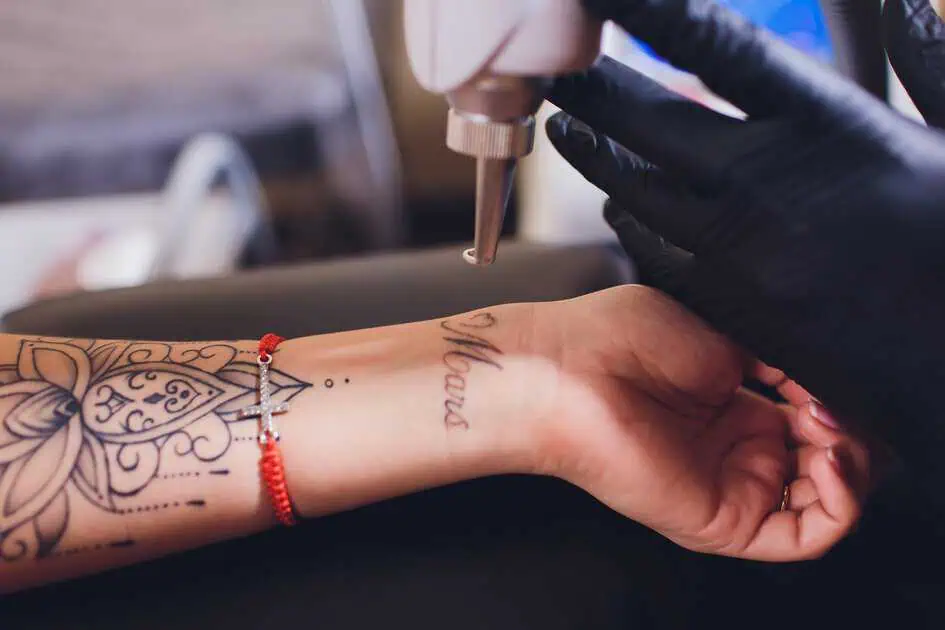
Are you considering laser tattoo removal to erase a tattoo you no longer love? If so, you might have questions about the safety, effectiveness, and what to expect during the process. 

This blog is here to guide you through everything you need to know about laser tattoo removal, from the latest technology to essential aftercare tips. By the end, you’ll have a clear understanding of whether this procedure is right for you. 

Keep reading to discover how you can achieve safe and successful results with this transformative treatment.

Understanding Laser Tattoo Removal

Laser tattoo removal utilizes advanced technology to break down tattoo ink particles in the skin. These particles are then naturally eliminated by the body’s immune system over time. The most commonly used systems include Q-switched lasers and the revolutionary PicoSure® laser. These lasers emit highly concentrated pulses of light at specific wavelengths to target various ink colors effectively.

Tattoo removal for dark ink is typically more straightforward than for lighter hues. Black and dark blue inks absorb laser light more effectively, while colors like green and yellow may require additional sessions for optimal results.

Is Laser Tattoo Removal Safe?

When performed by trained professionals, safe tattoo removal is highly achievable. However, like any cosmetic procedure, it’s essential to understand the potential risks and side effects. Below are key safety considerations:

FDA-Approved Technology

Modern tattoo removal technology, including PicoSure®, is FDA-approved and designed to minimize damage to the surrounding skin. This ensures that the treatment is both effective and adheres to the highest safety standards for cosmetic procedures.

Minimal Scarring Risk

Scarring is rare with professional laser tattoo removal, provided that aftercare instructions are followed meticulously. People prone to keloids should consult their provider before undergoing the procedure.

Temporary Side Effects

Mild side effects such as redness, swelling, and blistering are common but typically subside within a few days. These reactions indicate that your body is processing the broken-down ink. However, any prolonged or severe reactions should be immediately reported to your provider.

Suitability for All Skin Types

Advances in tattoo removal technology have made treatments safer for all skin types. Specialized lasers can minimize the risks of hyperpigmentation or hypopigmentation for darker skin tones. It’s crucial to discuss your specific skin type and medical history with your provider to ensure the safest and most effective approach.

Factors Influencing Tattoo Removal Sessions

Several factors determine the safety and success of tattoo removal sessions:

  • Tattoo Age and Depth: Older tattoos tend to fade more easily than newer ones, as the ink has likely degraded over time. Professional tattoos may require more treatments due to their depth and ink density.
  • Ink Colors: While tattoo removal for dark ink is typically efficient, lighter shades may necessitate additional sessions due to their lower absorption of laser energy.
  • Individual Skin Type: Skin tone and texture can influence the choice of laser and the number of required sessions.
  • Qualified Practitioner: Always choose a certified and experienced provider to ensure safe tattoo removal with minimal risks.

Benefits of Laser Tattoo Removal

  1. Non-Invasive

Unlike surgical excision, laser tattoo removal is non-invasive and does not require downtime. This makes it an ideal choice for those seeking a convenient and effective solution without disrupting their daily routines.

  1. Effective on Dark Ink

Tattoo removal for dark ink is particularly successful with modern laser systems, including PicoSure®. These systems ensure that even the most stubborn dark colors can be effectively targeted and broken down over multiple sessions.

  1. Customizable Treatments

Advanced technology allows providers to tailor treatments based on your tattoo’s unique characteristics and your skin type. This personalized approach ensures optimal results while minimizing risks and enhancing overall satisfaction.

Steps to a Successful Laser Tattoo Removal

Step 1: Initial Consultation

Schedule a consultation with your provider to discuss your tattoo details, medical history, and goals. This helps customize your treatment plan.

Step 2: Test Spot

A small area may be treated initially to gauge skin response and ensure safety.

Step 3: Tattoo Removal Sessions

Depending on the tattoo’s size, color, and depth, you may need 4-10 sessions. Each session is spaced several weeks apart to allow for proper healing and ink clearance.

Step 4: Aftercare

Follow all aftercare instructions to promote healing and prevent complications. This includes keeping the area clean, avoiding sun exposure, and refraining from picking at scabs or blisters.

Essential Aftercare Tips for Laser Tattoo Removal

  1. Keep the Area Clean and Dry

For the first three days post-treatment, apply a layer of antibiotic healing ointment to the treated area and cover it with sterilized gauze. Avoid applying other creams or makeup during this period.

  1. Avoid Sun Exposure

Protect the treated skin from sun exposure, as it can hinder the healing process and lead to complications. If you must be outdoors, apply a broad-spectrum sunscreen with an SPF of 25 or higher to the treated area.

  1. Stay Hydrated

Drinking plenty of water helps maintain a strong immune system, which is vital for healing. Proper hydration aids in flushing out toxins and supports skin recovery.

  1. Avoid Smoking and Limit Alcohol Consumption

Smoking and excessive alcohol intake can weaken the immune system, slowing down the healing process. Non-smokers and those who limit alcohol tend to see better results and may require fewer treatments.

  1. Be Cautious with Physical Activity

While exercise increases blood flow and can aid in breaking down ink particles, it’s advisable to take a few days off from strenuous activities immediately after treatment to prevent swelling and irritation.

  1. Avoid Picking at Scabs or Blisters

It’s common for the treated area to develop scabs or blisters. Allow them to heal naturally without picking, as this reduces the risk of scarring and infection.

  1. Follow Professional Advice

Always adhere to the specific aftercare instructions provided by your technician or healthcare provider, as they can offer guidance tailored to your individual needs.

Potential Risks and Contraindications

While laser tattoo removal is generally safe, some individuals may not be ideal candidates. Consult your provider if you:

  • Are pregnant or breastfeeding
  • Have a history of keloid scarring
  • Are taking photosensitizing medications
  • Have an active skin infection

The PicoSure® Advantage: Tattoo Removal at Sunshine Cosmetic Clinic & Medi Spa

If you’re looking for tattoo removal in Kitchener, Waterloo (KW area), Sunshine Cosmetic Clinic & Medi Spa offers state-of-the-art PicoSure® laser treatments. This cutting-edge technology uses picosecond laser pulses to break down ink particles more efficiently and with fewer sessions compared to traditional lasers.

Key benefits of PicoSure® tattoo removal include:

  • Faster Results: Fewer sessions are needed to achieve desired outcomes, making it a cost-effective option for clients.
  • Enhanced Precision: The PicoSure® laser is highly effective in targeting stubborn ink colors, including green, blue, and yellow.
  • Reduced Discomfort: Patients report less pain and faster recovery times compared to older laser systems.
  • Safe for All Skin Types: PicoSure® is designed to minimize risks for both lighter and darker skin tones, ensuring safe tattoo removal for everyone.

Book Your Tattoo Removal Appointment with Us Today!

Frequently Asked Questions

How long does each tattoo removal session take?

Individual sessions typically last between 15 to 30 minutes, depending on the tattoo’s size and complexity. Larger tattoos may require longer appointments or be treated in sections over multiple visits.

Can laser tattoo removal completely erase my tattoo?

While many tattoos can be significantly faded or completely removed, certain colors and ink types may leave faint remnants. Your provider will set realistic expectations during your consultation.

Does laser tattoo removal hurt?

Most patients describe the sensation as similar to a rubber band snapping against the skin. Numbing creams or cooling devices are often used to minimize discomfort.

What happens if I have a cover-up tattoo?

Cover-up tattoos often involve darker and denser ink. These may require additional sessions compared to untouched tattoos, but modern lasers can effectively target even layered ink.

Can I undergo laser tattoo removal if I have sensitive skin?

Yes, but it’s essential to discuss your skin’s sensitivity with your provider. Specialized lasers and tailored settings can ensure safe and effective treatment for sensitive skin types.

How Different Treatments Can Work Together to Enhance Results and Improve Skin Appearance

Aging is a natural part of life, but seeing its effects on your skin—like wrinkles, sagging, and fine lines—can be tough to embrace. The good news? Modern aesthetic treatments offer plenty of ways to tackle these changes. While a single treatment can make a big difference, combining therapies often creates results that are more noticeable, balanced, and long-lasting. By layering multiple approaches, you can tackle skin concerns from different angles, creating a more youthful, natural, and refreshed appearance.

What’s Behind Wrinkles and Sagging?

Before exploring solutions, it’s helpful to know what’s going on beneath the surface. Wrinkles, sagging, and other signs of aging all boil down to a few key factors:

  • Dynamic Wrinkles: These come from repeated muscle movements—think crow’s feet from smiling or forehead lines from raising your eyebrows. Over time, these movements carve lines into the skin.
  • Static Wrinkles: These happen when the skin loses its natural structure and elasticity. Factors like declining collagen and elastin, sun exposure, and everyday stress speed up the process.
  • Volume Loss: The plumpness we associate with youthful skin fades as fat pads shrink and shift. This can leave cheeks hollow, lips thinner, and the jawline less defined.
  • Texture and Tone Issues: Things like sun damage, dehydration, and slower cell turnover can lead to dull skin, rough patches, and uneven pigmentation.

Because aging affects the skin in different ways, addressing it often requires more than one type of treatment.

Why Combine Treatments?

Skin isn’t a one-dimensional surface, and aging impacts multiple layers. Dynamic wrinkles come from muscle activity under the skin. Volume loss happens deeper in the tissue. Texture issues are at the surface. A combination of treatments can tackle all these concerns at the same time, giving you results that are more complete and longer-lasting. Here’s how it works:

  • Multiple Layers, One Goal: Each treatment targets a different layer of your skin. Botox relaxes the muscles causing wrinkles, fillers bring back lost volume in deeper layers, and lasers smooth and refine the surface. When used together, they address the different signs of aging from every angle for a more balanced and refreshed look.
  • Collagen Production from All Sides: Treatments like microneedling and Ultherapy stimulate collagen, but they target different depths of the skin. Used together, they build a stronger, healthier foundation.
  • Natural-Looking Results: Combining therapies balances out your results, avoiding the overdone look that can happen when one area gets all the focus.
  • Immediate and Lasting Effects: Some treatments work instantly (like fillers), while others (like Sculptra or PRP) build results over time. Pairing them lets you enjoy the best of both worlds.

Treatment Combinations to Consider

Botox + Dermal Fillers for Wrinkles and Volume

Discover how botox + dermal fillers restore volume here.

  • How They Work: Botox relaxes muscles to reduce dynamic wrinkles (like frown lines or crow’s feet). Dermal fillers use hyaluronic acid to plump up deeper static wrinkles and restore volume to areas like the cheeks or lips.
  • Why They Work Together: Botox prevents muscle movements from deepening wrinkles, while fillers smooth and lift areas that have lost their natural plumpness. For example, Botox can soften forehead lines while fillers restore youthful volume to your cheeks or lips.
  • What to Expect: Botox results appear in about a week and last 3–6 months, while fillers offer instant results that can last up to 18 months.

Microneedling + PRP (Vampire Facial) for Skin Texture

  • How They Work: Microneedling creates tiny injuries in the skin, prompting your body to produce collagen and elastin to repair itself. PRP (platelet-rich plasma) uses growth factors from your blood to boost this healing and rejuvenation process.
  • Why They Work Together: Microneedling primes your skin to absorb PRP more effectively, enhancing collagen production and creating smoother, firmer skin with fewer wrinkles and scars.
  • What to Expect: You’ll likely see some redness and mild sensitivity after the treatment, but the payoff is a brighter, more even complexion over the next few weeks.

Ultherapy + Sculptra for Lifting and Firmness

  • How They Work: Ultherapy uses ultrasound energy to lift and tighten sagging skin by stimulating collagen production deep within. Sculptra is an injectable that gradually restores collagen to improve firmness and volume over time.
  • Why They Work Together: Ultherapy delivers a lifting effect, while Sculptra fills in areas that have lost structure, such as hollow cheeks or temples. Together, they create a natural, refreshed look.
  • What to Expect: Ultherapy results develop over 2–3 months, and Sculptra builds gradually over several weeks. The combination ensures improvements keep coming for months.

RF Therapy + Laser Treatments for Tone and Tightness

Discover how RF therapy + laser treatment smooths wrinkles here.

  • How They Work: Treatments like TempSure and ThermiSmooth use radiofrequency (RF) energy to gently heat the skin, boosting collagen and improving elasticity. Meanwhile, lasers like PicoSure focus on surface issues, addressing pigmentation and refining texture.
  • Why They Work Together: RF treatments work deep within the skin, building strength and firmness, while lasers smooth and polish the outer layer. This combo tackles multiple concerns at once—tightening loose skin, evening out tone, and reducing spots, fine lines and wrinkles.
  • What to Expect: Recovery is usually easy, with mild redness or swelling that fades in a day or two. Over time, as your skin creates more collagen, you’ll notice firmer, more radiant results.

The Science Behind Combining Treatments

Combination treatments aren’t just trendy—they’re supported by solid science. Here’s what’s happening behind the scenes:

  1. Collagen Remodeling: Treatments like Ultherapy and microneedling work on different layers of your skin to kickstart collagen production. Together, they build a stronger foundation, leaving your skin smoother and firmer.
  2. Layered Impact: Each treatment focuses on a specific need—Botox relaxes muscles beneath the skin, fillers restore lost volume, and lasers refine the surface. Combining them creates a well-rounded, refreshed look that feels natural.
  3. Enhanced Efficiency: Some treatments work even better together. For instance, microneedling creates tiny channels in the skin, helping PRP (platelet-rich plasma) penetrate deeper and boost its effectiveness.

Planning Your Perfect Treatment Combo

Every person’s skin is unique, so the best combination for you depends on your specific concerns. A good consultation will map out a plan that’s tailored to your goals. Here are some things to consider:

  • Severity of Concerns: Fine lines may need just Botox and RF therapy, while deeper wrinkles and volume loss might require fillers and Ultherapy.
  • Timeline: Some treatments, like lasers, require downtime, while others, like Botox, let you resume activities immediately. Factor this into your schedule.
  • Maintenance: Results from fillers and Botox fade over time, while collagen-boosting treatments like Ultherapy can last a year or more. Combining both ensures consistent improvement.

Keeping Results Fresh

Once you’ve achieved your desired look, maintaining it is key. Here’s how:

  1. Daily Care: Use medical-grade skincare with ingredients like retinol, vitamin C, and hyaluronic acid to support collagen and hydration.
  2. Sun Protection: UV damage undoes even the best treatments. Make sunscreen a daily habit.
  3. Stay Hydrated: Drinking water keeps your skin plump and healthy.
  4. Periodic Touch-Ups: Schedule follow-ups for Botox or fillers every few months to maintain results.

Preventive Treatments: Starting Early

People tend to wait until the signs of aging—like deep wrinkles, sagging, or uneven skin tone—are already noticeable. But starting treatments earlier, in your 30s or 40s, can make a huge difference in maintaining your skin’s health and appearance over time. Preventive treatments aren’t about dramatic changes—they’re about keeping your skin looking its best for as long as possible.

Preventive Botox is a great example. By relaxing the muscles responsible for dynamic wrinkles, Botox can stop those lines from becoming permanent fixtures on your face. Similarly, gentle treatments like microneedling or RF therapy help stimulate collagen production, keeping skin firm and resilient before it starts to lose its natural elasticity.

The key to starting early is subtlety. Treatments at this stage are typically less invasive and require less downtime, making them easy to fit into your routine. They also help slow down the aging process, meaning fewer aggressive interventions are needed later on.

Your approach to skincare also makes a difference in how your skin ages. Pair professional treatments with medical-grade products, like vitamin C serums and retinol, to enhance and maintain results. Think of it like exercising for your skin—small, consistent efforts now will pay off later.

Debunking Myths

Misunderstandings about aesthetic treatments can hold people back from exploring options that could really make a difference in their skin. Let’s set the record straight on a few common myths.

Myth 1: “Combining treatments will damage my skin.”

The truth: When done by experienced professionals, combining treatments is completely safe. Each treatment addresses different concerns—for example, Botox relaxes muscles, while microneedling boosts collagen. Together, they work in harmony to enhance your results without overwhelming your skin.

Myth 2: “I’ll look fake or overdone.”

The truth: Modern aesthetic treatments are all about subtlety and balance. A skilled provider tailors treatments to enhance your natural beauty, leaving you looking refreshed—not like you’ve had work done.

Myth 3: “There’s only one best treatment for aging skin.”

The truth: Skin aging is multifaceted, and no single treatment can fix everything. Combining approaches, like fillers for volume loss and RF therapy for tightening, creates a more complete and effective solution.

Knowing the facts can help you feel confident in exploring treatments and finding what works best for you.

Takeaway

Combining treatments is a powerful way to achieve natural-looking, long-lasting results for tighter, smoother, and more radiant skin. If you are concerned about addressing lines and wrinkles, lifting and tightening loose skin, or creating a personalized plan for comprehensive rejuvenation, the right combination of therapies can help you feel confident and refreshed at any age.

At Sunshine Cosmetic Clinic & Medi Spa, we specialize in tailored solutions for lines and wrinkles treatment in ON, offering cutting-edge options to meet your unique needs. From Botox and dermal fillers to advanced technologies like Ultherapy and microneedling, our expert team provides trusted care for lines and wrinkles in Waterloo, ON, and beyond.

Ready to address your lines and wrinkles? Contact us your assessment today for smoother skin, renewed confidence, and a refreshed look. Our team offers you personalized treatments that bring out the best in you and deliver real results.

Laser Hair Removal: Say Goodbye to Unwanted Hair for Good

Truth be told, dealing with unwanted hair can feel like a never-ending hassle. Shaving? It’s the easiest thing to do, but the stubble is back before you notice it. Waxing? Sure, that’s also quick, but who wants to go through the pain again and again? That’s why we offer laser hair removal, the practical solution that you’ll ever need that actually offers you long-term results with minimal hassle. If smooth, hair-free skin sounds like what you desire, here’s what you should know before considering the treatment.

What Exactly Is Laser Hair Removal?

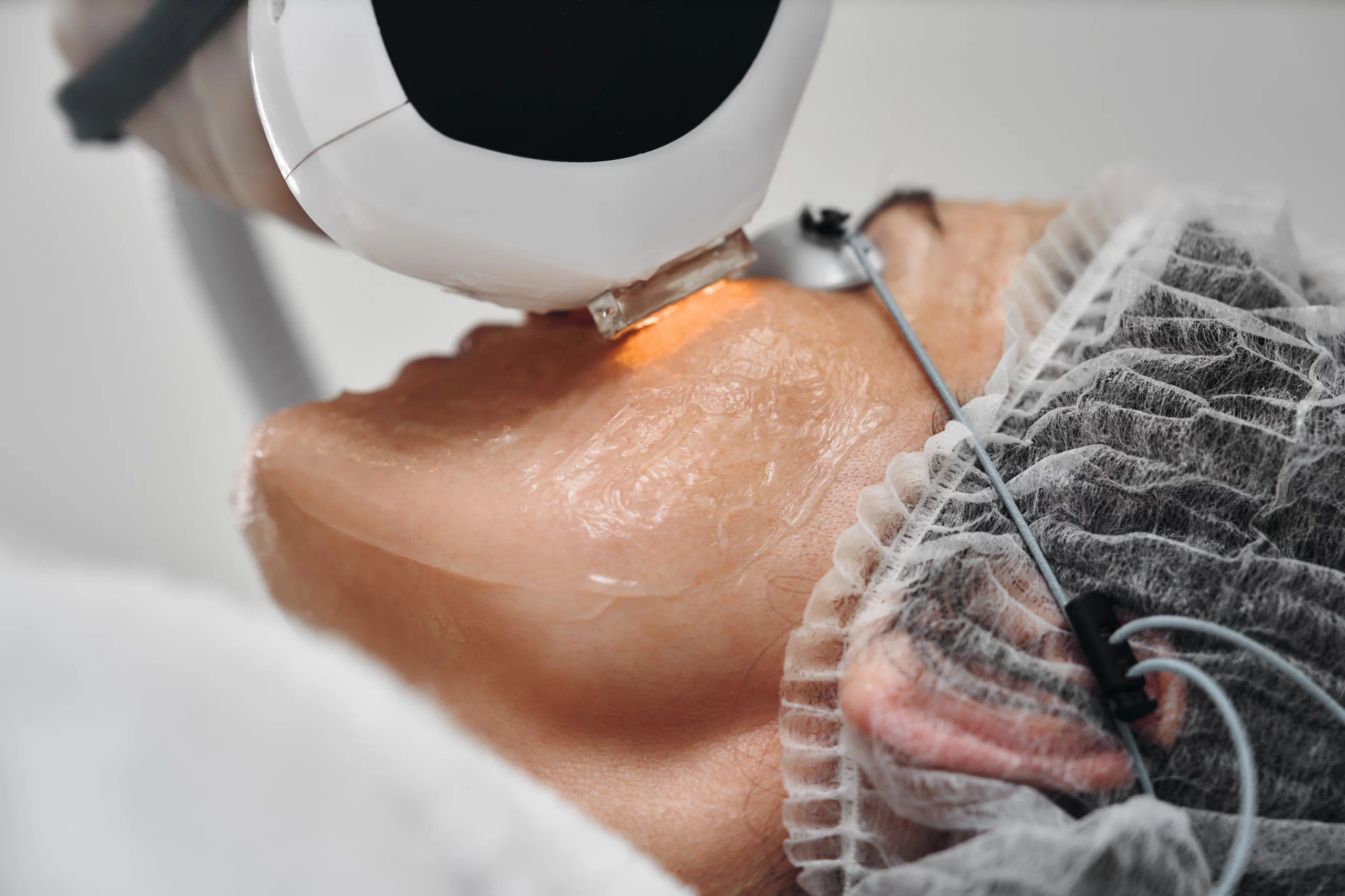
Laser hair removal is an aesthetic approach that zaps away unwanted hair using—you guessed it—lasers. The procedure targets hair follicles with concentrated light energy, which converts to heat, effectively damaging them to stop future growth. Unlike temporary approaches like shaving or waxing, laser hair removal is designed to reduce hair permanently over time.

Common treatment areas include the underarms, legs, back, face, and bikini line, though you can treat almost any part of your body (except areas near the eyes or over tattoos). With advanced technology, it’s suitable for almost all skin types, making it an adaptable prospect for anyone looking to ditch their razors for good.

How Does It Work?

Let’s break it down. Laser hair removal works by targeting melanin—the pigment in your hair. The laser’s light is absorbed by the melanin, generating heat that destroys the hair follicle. Damaged follicles can’t grow hair, or at least they grow it much slower and finer.

Now, not all lasers are created equal. Different wavelengths are used depending on your skin tone and hair type:

  1. Alexandrite Laser (755 nm): Best for light skin and dark hair.
  2. Diode Laser (810 nm): Works well for light to medium skin tones.
  3. Nd: YAG Laser (1064 nm): The go-to for darker skin tones, as it minimizes the risk of skin damage.

At Sunshine Cosmetic Clinic & Medi Spa in the Waterloo-Kitchener area, state-of-the-art devices like the GentleMax Pro Plus and InMode DiolazeXL™ ensure effective treatments for all skin types.

The Perks of Laser Hair Removal

Why is laser hair removal such a big deal? Simple—it’s a total game-changer compared to the usual hair removal routine. Here’s why people love it:

  • Long-Lasting Results: After a few sessions, you can expect smoother skin that doesn’t require daily or weekly maintenance from you. No more constant touch-ups!
  • Pinpoint Precision: Lasers target the hair follicle directly without messing with the surrounding skin. It’s effective and skin-friendly.
  • Quick Treatments: Got a small area like your upper lip? You’ll be done in minutes. Bigger zones like legs or your back? Still under an hour.
  • Almost Painless: With modern lasers that include cooling systems, the experience is surprisingly comfortable—more chill, less ouch.

What Happens During a Session?

If you’re picturing a complicated or intimidating process, don’t. Laser hair removal is straightforward and quick. Here’s a step-by-step of what to expect:

  1. Consultation: Your technician will assess your skin type, hair color, and medical history to customize your treatment plan.
  2. Prep Work: You’ll need to shave the treatment area 24-48 hours before your appointment. Why? It allows the laser to target the follicle beneath the skin without burning surface hair.
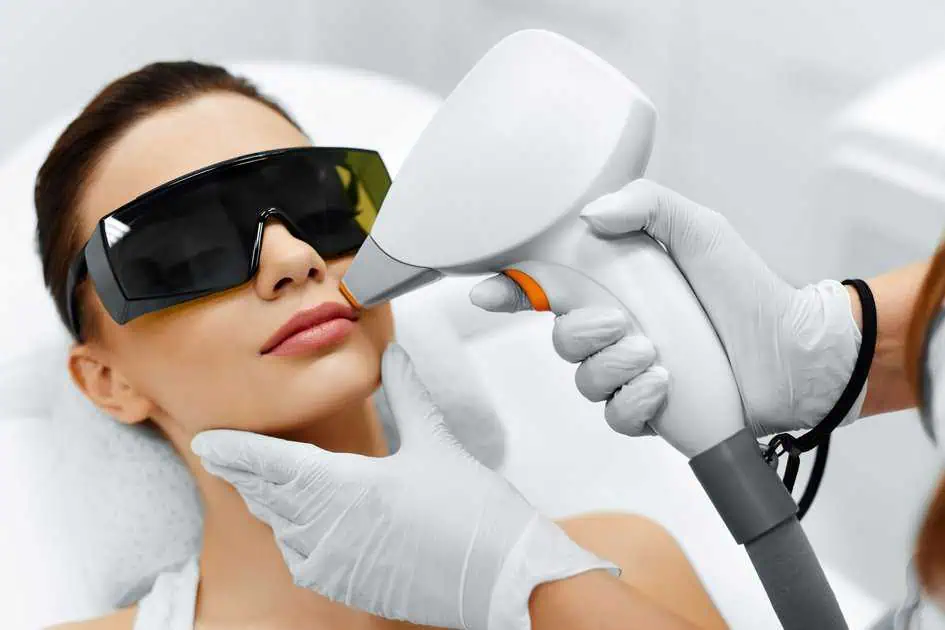
  3. During the Session: You’ll wear protective goggles while the technician glides the laser over your skin. Most people describe the sensation as a light snapping or tingling, and thanks to cooling systems, it’s pretty tolerable.
  4. Post-Treatment: Your skin might be a little red or swollen afterward—think mild sunburn. A bit of aloe vera or a cool compress can help.

How Many Sessions Do You Need?

Here’s the deal: hair grows in cycles, and lasers are only effective during the active growth phase. That’s why you’ll need multiple sessions (usually 4-10) spaced a few weeks apart to catch all the follicles at the right time. Once you’ve completed your sessions, maintenance treatments every year or so may help keep things smooth.

Is It Safe?

When performed by trained professionals using approved devices, laser hair removal is very safe. Clinics like Sunshine Cosmetic Clinic & Medi Spa in Waterloo-Kitchener use FDA-approved technology to minimize risks. That said, there are some minor side effects to watch out for, like temporary redness, swelling, or slight irritation. These typically fade within a day or two.

Who’s a Good Candidate?

The ideal candidate has dark hair and light skin, as the laser targets melanin. However, thanks to advancements like the Nd: YAG laser, people with darker skin tones can also achieve great results. It is not suitable for everyone, though—pregnant individuals, those with certain skin conditions, or people taking blood-thinning medications should steer clear.

Why Choose Laser Hair Removal Over Other Methods?

When it comes to hair removal, the options seem endless: shaving, waxing, threading, electrolysis, depilatory creams—you name it. But let’s face it, most of these methods come with their fair share of drawbacks. Shaving is quick but lasts for what feels like five minutes. Waxing hurts like no other and has to be done repeatedly. And who has the time or patience for electrolysis, where each hair follicle is zapped individually?

Laser hair removal breaks the endless cycle of maintenance. It’s quite efficient, tackling multiple hairs at once, and the results? They stick around way longer. Sure, shaving or waxing might get you by for a little while, but laser hair removal takes it to the next level by seriously cutting down regrowth after just a few sessions. Plus, with modern technology like cooling systems built into devices, it’s a lot less painful than waxing or electrolysis.

Unlike temporary methods that only address the hair above the surface, laser treatments target the hair follicle itself. This means fewer ingrown hairs, finer regrowth (if any), and smoother skin. If you’re tired of dedicating chunks of your life to repetitive, temporary fixes, laser hair removal is the clear winner.

What About Aftercare?

So, you’ve finally taken the plunge and had your laser hair removal session—congrats! But hold on, the process doesn’t stop there. Aftercare is where you can make or break your results. Don’t worry, though—it’s not rocket science. With a little extra care, you’ll be well on your way to smooth, hair-free skin.

Keep Cool and Calm

Right after your session, your skin might feel a little warm and look slightly red—think mild sunburn vibes. This is totally normal. To soothe it, apply a cool compress or some aloe vera gel. These will calm the skin and take down any irritation or swelling.

Pro tip: Resist the urge to use ice packs directly on your skin. Wrap them in a soft cloth to avoid overstimulating the area.

Stay Away From the Sun

Your skin will be extra sensitive to sunlight for at least two weeks post-treatment. UV exposure can irritate the treated area, potentially leading to dark spots or pigmentation issues. If you absolutely have to step outside, lather up with a high SPF sunscreen (30 or higher). And no, skipping this step isn’t an option—unless you want to risk undoing all the work you just had done.

Better yet, embrace your inner vampire and avoid the sun as much as possible. Your skin will thank you for it.

No Heat, Please

We know you love a good hot shower or a relaxing sauna session, but those are a hard no for the first 48 hours. Heat can aggravate your skin, causing redness, swelling, or even burns. Stick to lukewarm water when washing, and skip the gym for a couple of days. Strenuous exercise can make you sweat, which can irritate the treated area.

Hands Off!

Yes, your skin might feel slightly itchy or sensitive but try not to touch, scratch, or pick at it. This includes skipping exfoliation for at least a week, even if you’re tempted to slough off those little hairs that seem to linger. Let your skin heal naturally without any added trauma. Trust the process.

Takeaway

Laser hair removal extends beyond aesthetic procedure—it’s a lifestyle upgrade. Addressing unwanted hair at its roots gives you actual long-term results, smoother skin, and freedom from the boredom of unwanted hair upkeep. With its precision, speed, and minimal discomfort, laser treatment is the gold standard in hair removal solutions.

The laser hair removal benefits are obvious: fewer ingrown hairs, finer regrowth, and you never have to consider a razor again—for at least a few years. Whether you’re looking to treat small areas like your underarms or go for full-body smoothness, laser hair removal offers versatility and results to suit your needs.

If you’ve been searching for laser hair removal near me and are located in Waterloo, ON, look no further than Sunshine Cosmetic Clinic & Medi Spa. Our award-winning clinic combines state-of-the-art technology with personalized care to deliver safe, effective treatments for all skin types. From the GentleMax Pro Plus to the InMode DiolazeXL™, our advanced lasers ensure you achieve the best possible results.

Ready to embrace the full laser hair removal benefits? Contact us for your complimentary consultation today and let our team at Sunshine Cosmetic Clinic & Medi Spa guide you toward your smooth, hair-free future. Your dream of silky skin starts here!

How LED Therapy Can Transform Your Skin: A Complete Guide

The desire for youthful, healthy, and glowing skin is universal. With many treatments available today, choosing the right one for your skin concerns can feel overwhelming. However, one treatment that has gained substantial attention is LED therapy. It is painless, non-invasive, and highly effective for various skin issues, including acne and aging. This therapy uses different wavelengths of light to penetrate your skin and address specific concerns, providing a tailored solution to improve overall skin health.

In this blog post, we’ll explore LED therapy, explain how it works, and help you understand why it’s gaining popularity worldwide. We’ll also highlight why you should consider booking your LED therapy session at Sunshine Cosmetic Clinic & Medi Spa in Waterloo, ON, Canada.

What Is LED Therapy?

LED (light-emitting diode) therapy is a skincare treatment that uses varying wavelengths of light to treat skin issues such as acne, wrinkles, and inflammation. Initially developed by NASA to help with plant growth experiments in space and later used to heal wounds, LED therapy has now found its way into the cosmetic industry for its incredible benefits.

LED therapy is noninvasive and doesn’t damage the skin’s surface. Unlike harsh treatments such as chemical peels or microdermabrasion, this procedure requires no downtime. It’s a perfect addition to your facial routine, providing deep healing and rejuvenation from within without pain or irritation.

How Does LED Therapy Work?

Understanding how LED therapy works can help you appreciate its effectiveness. During an LED therapy session, specific wavelengths of light (ranging from visible red and blue light to invisible infrared light) are directed onto the skin. Each wavelength penetrates the skin at different depths, triggering biological processes that enhance cellular function and promote skin healing.

Here’s a breakdown of the standard LED wavelengths used in skincare treatments and their specific functions:

Blue Light (415 nm)

Blue light is particularly effective in treating acne. It penetrates the skin and kills acne-causing bacteria (P. acnes), leading to fewer breakouts and reduced inflammation. Blue light therapy can also regulate oil production, another contributing factor to acne development.

Red Light (630 nm)

Red light penetrates more deeply into the skin and promotes collagen production. A protein called collagen makes your skin smooth, firm, and youthful-looking. Red light therapy is frequently used to increase skin elasticity, improve skin tone, and lessen the appearance of fine lines and wrinkles. If you want to improve the texture of your skin or reverse symptoms of age, this is a great option.

Near-Infrared Light (830 nm)

Near-infrared light goes deeper into the skin layers than red or blue light. It helps with tissue repair, reduces inflammation, and accelerates healing. It is especially beneficial for individuals with sensitive or reactive skin and can be used to treat more severe skin conditions such as rosacea.

Each of these lights works at a cellular level, increasing blood circulation, boosting collagen production, and accelerating skin repair processes, leaving you with a rejuvenated and glowing complexion.

The Benefits of LED Light Therapy

LED therapy has gained attention for its wide range of skin benefits. This treatment can bring noticeable improvements, whether targeting acne, aging, or dull skin. Here are the top reasons people turn to LED therapy:

Acne Treatment

LED therapy, especially blue light therapy, is known for effectively managing acne. Targeting and killing acne-causing bacteria helps clear existing breakouts and prevent new ones from forming. This makes it a fantastic alternative to harsh acne medications or topical treatments, especially for sensitive skin.

Anti-Aging

One of the most popular benefits of LED light therapy is its anti-aging properties. Red light therapy stimulates collagen production, keeps skin firm, and reduces wrinkles. Regular sessions can soften fine lines and give your skin a youthful, vibrant appearance.

Reduced Inflammation

LED light therapy is an excellent option for people with inflammatory skin conditions like rosacea or eczema. Both red and infrared light help soothe inflammation, promote skin healing, and reduce redness.

Improved Skin Tone and Texture

LED treatment can not only heal particular problems but also enhance the general texture and tone of the skin. The light promotes skin cell turnover and increases circulation, giving the complexion a smoother, more even tone.

No Downtime or Side Effects

One of its biggest benefits is that LED therapy is painless and noninvasive. Unlike other harsh procedures (like laser resurfacing or chemical peels), LED therapy doesn’t require downtime. After treatment, you can resume your regular activities immediately, which benefits people with hectic schedules.

LED Therapy for Acne: A Game-Changer

Acne is one of the most common skin concerns, affecting people of all ages. Whether it’s teenage acne or adult-onset acne, breakouts can be frustrating and challenging to manage. Traditional acne treatments can be harsh, often leading to dry, irritated skin. Fortunately, LED therapy offers a gentler yet highly effective solution.

How LED Therapy Treats Acne

The blue light used in LED therapy targets the bacteria that cause acne, reducing inflammation and preventing future breakouts. It is particularly effective for those with mild to moderate acne seeking an alternative to topical creams or prescription medications. Regular LED therapy sessions can help keep acne at bay while improving skin texture and reducing scarring.

Combining LED Therapy with Other Acne Treatments

While LED therapy can work wonders independently, it can also be combined with other treatments, such as chemical peels, facials, or medical-grade skincare products. These treatments can create a more comprehensive acne-fighting regimen, providing even faster and more dramatic results.

Experience the Power of LED Therapy at Sunshine Cosmetic Clinic & Medi Spa

If you’re ready to experience the transformative power of LED therapy for yourself, look no further than Sunshine Cosmetic Clinic & Medi Spa in Waterloo, ON. Our team of experienced skin care professionals will customize a treatment plan tailored to your needs, ensuring you get the radiant, healthy skin you deserve.

Whether you’re battling acne or aging or simply want to boost your skin’s glow, we’re here to help. Don’t wait to get the skin you’ve always wanted—Book Your LED Therapy Session for Healthier, Glowing Skin.

The Benefits and Risks of PDO Thread Lifts: What You Need to Know

Over the past few years, non-surgical cosmetic treatments have gained popularity as people seek ways to enhance their appearance without surgery’s downtime and risks. A PDO thread lift stands out among these treatments because it’s minimally invasive and offers significant results. Just like any cosmetic procedure, you have to weigh the pros and cons. Let’s dive into the benefits, costs, and side effects of PDO threads in this article.

What is a PDO Thread Lift?

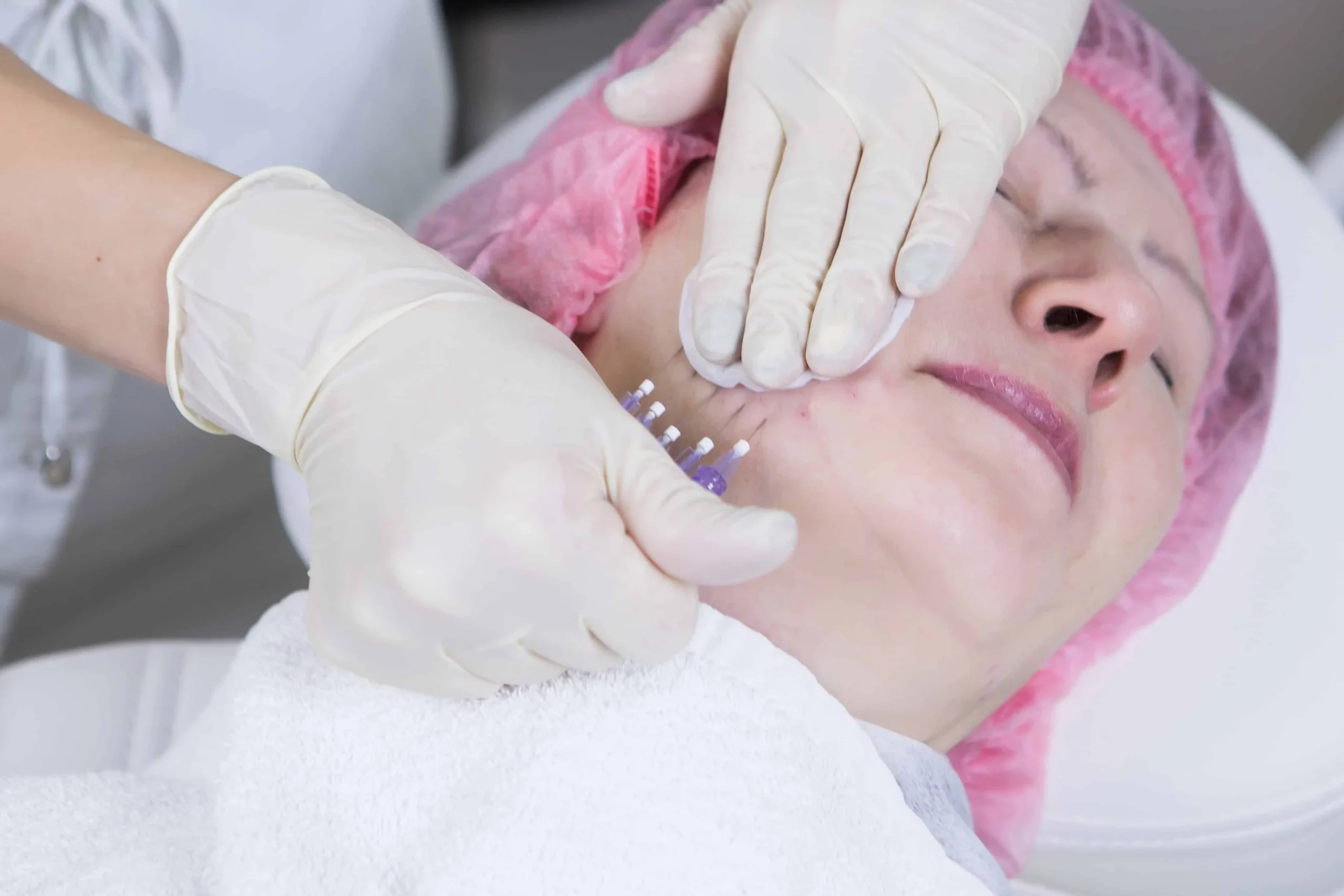
Surgical sutures are frequently constructed of polydioxanone, a biocompatible substance. Specialized threads of this material are utilized in PDO thread lifts, a non-surgical facelift method. These threads are introduced into the skin with tiny needles to provide a slight but noticeable lifting effect. The procedure provides an immediate lift and stimulates collagen production over time, leading to firmer and more youthful-looking skin. The body fully absorbs PDO threads, making the procedure safe and effective for a wide range of patients.

The Benefits of PDO Threads

The benefits of PDO thread lifts are numerous, making them an appealing option for those looking to enhance their appearance without surgery. Here’s a closer look at the key advantages:

1. Non-Surgical Facelift Alternative

One of PDO threads’ biggest advantages is the non-surgical option it provides to conventional facelifts. A PDO thread lift provides a much less invasive solution for individuals who want to avoid the risks, scars, and lengthy recovery times associated with surgical procedures. The procedure can be performed in as little as 45 minutes to an hour, with minimal discomfort and no need for general anesthesia.

2. Instant and Long-Lasting Results

With PDO thread lifts, you can expect to see immediate results as the threads physically lift sagging skin upon insertion. However, the true magic happens in the following weeks and months, as the body’s natural healing response triggers collagen production. This new collagen formation improves skin elasticity, firmness, and texture for up to 12 months. The results can last anywhere from 12 to 24 months, depending on age, skin type, and lifestyle.

3. Minimal Downtime and Recovery

Unlike traditional facelifts requiring weeks of recovery, a PDO thread lift has minimal downtime. After the surgery, most patients can resume their regular activities in a day or two. Although there is a chance of mild bruising, swelling, or soreness, these side effects usually go away in a few days. PDO threads are the perfect solution for people who lead busy lives and wish to look better without having to take time off from work or social obligations because of their speedy recovery.

4. Natural-Looking Enhancement

One of the most appealing benefits of PDO threads is that they provide natural-looking results. The lifting effect is subtle yet effective, enhancing your features without giving you an overly “done” appearance. Because the body gradually absorbs the threads, the results are progressive and allow a smooth, natural transition over time. This makes PDO thread lifts an excellent option for those seeking to refresh their look without drastic changes.

5. Versatility in Treatment Areas

PDO thread lifts are highly versatile and can address various concerns across different areas of the face and body. Common treatment areas include:

  • Cheeks and midface: To lift sagging cheeks and restore volume.
  • Jawline and jowls: To create a more defined and contoured jawline.
  • Neck: To reduce sagging skin and improve skin texture.
  • Brows and forehead: To lift drooping brows and smooth fine lines.
  • Under-eye area: To reduce hollows and improve skin tightness.

The ability to treat multiple areas makes PDO thread lifts an effective and customizable solution for a wide range of aesthetic goals.

PDO Thread Lift Cost: What to Expect

The cost of a PDO thread lift can vary based on factors like the number of threads used, the treatment areas, and the expertise of the practitioner. The cost can be significantly less expensive than a surgical facelift. Still, it’s important to note that the longevity of the results may be shorter. The investment can be well worth it for those seeking a less invasive, more affordable option with minimal downtime.

Risks and Side Effects of PDO Thread Lifts

As with any cosmetic procedure, PDO thread lifts come with some risks and potential side effects. Although the procedure is generally considered safe, it’s essential to be aware of the possible complications before treatment.

Bruising, swelling, and moderate discomfort are typical short-term adverse effects at the insertion sites. These side effects are usually mild and subside within a few days. Applying ice and avoiding strenuous activities can help minimize these symptoms.

Is a PDO Thread Lift Right for You?

The decision to undergo a PDO thread lift should be based on your individual goals, skin type, and overall health. Ideal candidates are typically those with mild to moderate skin laxity who want to enhance their appearance without surgery. It’s important to have realistic expectations and understand that while a PDO thread lift can deliver impressive results, it won’t achieve the same level of transformation as a surgical facelift.

Selecting a certified practitioner with significant knowledge of PDO thread lifts is essential because of the procedure’s complexity and the need for accurate thread insertion. A qualified practitioner will examine your particular facial structure, hear your objectives, and modify the treatment plan as necessary. This personalized approach ensures you achieve the most natural and flattering results possible.

Final Thoughts

A PDO thread lift is a powerful tool for those looking to rejuvenate their appearance with minimal invasiveness. The benefits, including immediate and long-lasting results, minimal downtime, and a natural-looking lift, make it an attractive option for many. However, it’s important to consider the potential risks and side effects and choose a trusted and experienced provider to minimize them.

If you’re considering a PDO thread lift, do your research and schedule a consultation with a qualified practitioner at Kitchener Waterloo MedSpa who can guide you through the process. Understanding the benefits and risks will help you make an informed decision that aligns with your aesthetic goals. Contact us today.